How AI Is Changing the Future of Sex Work
AI isn’t just automating customer service or writing emails-it’s quietly reshaping industries most people assume are immune to digital disruption. One of those is sex work. Not in the way you might think. No robots are replacing human connection yet. But algorithms, virtual companions, and deepfake technology are changing how demand is met, how safety is managed, and who gets to participate. The lines between human and digital intimacy are blurring, and the people on the front lines-sex workers-are adapting faster than laws or public opinion can keep up.
For some, AI tools offer a way to reduce risk. Instead of meeting clients in person, many now use AI-powered chatbots to screen requests, filter out abusive language, and even simulate early-stage conversations. This isn’t science fiction-it’s happening right now. A small but growing number of independent workers in places like Dubai use AI to pre-qualify clients before even considering an in-person meeting. If you’ve ever wondered how someone manages safety in high-risk environments, this is one answer. Some even integrate AI scheduling with encrypted payment systems, cutting out middlemen entirely. For example, arab escort dubai platforms now quietly offer AI-assisted booking tools that help workers control their availability without exposing personal details.
AI Doesn’t Replace Humans-It Changes the Game
The biggest myth about AI in sex work is that it will replace human workers. That’s not happening. What’s happening is a shift in roles. Workers who used to rely on agencies or street-based models are now using AI to run their own businesses. Think of it like freelancers using Upwork instead of walking door-to-door for gigs. The work is still human, but the tools are digital.
AI can handle the repetitive, dangerous, or emotionally draining parts. Screening clients. Managing messages. Detecting scams. Setting boundaries. One worker in Berlin told me she uses an AI filter that flags any request mentioning violence, underage references, or non-consensual acts. If the system catches it, the message gets blocked before she even sees it. She doesn’t have to argue, explain, or feel guilty for saying no. That’s not automation-it’s protection.
And it’s not just about safety. AI helps with marketing. Personalized content creation. Tailored profiles that adjust tone and imagery based on audience response. Workers who once spent hours editing photos or writing bios now use AI tools to generate variations that perform better. One study from the University of Amsterdam tracked 200 independent sex workers over six months. Those using AI for content optimization saw a 40% increase in client inquiries without increasing their workload.
The Rise of Virtual Intimacy
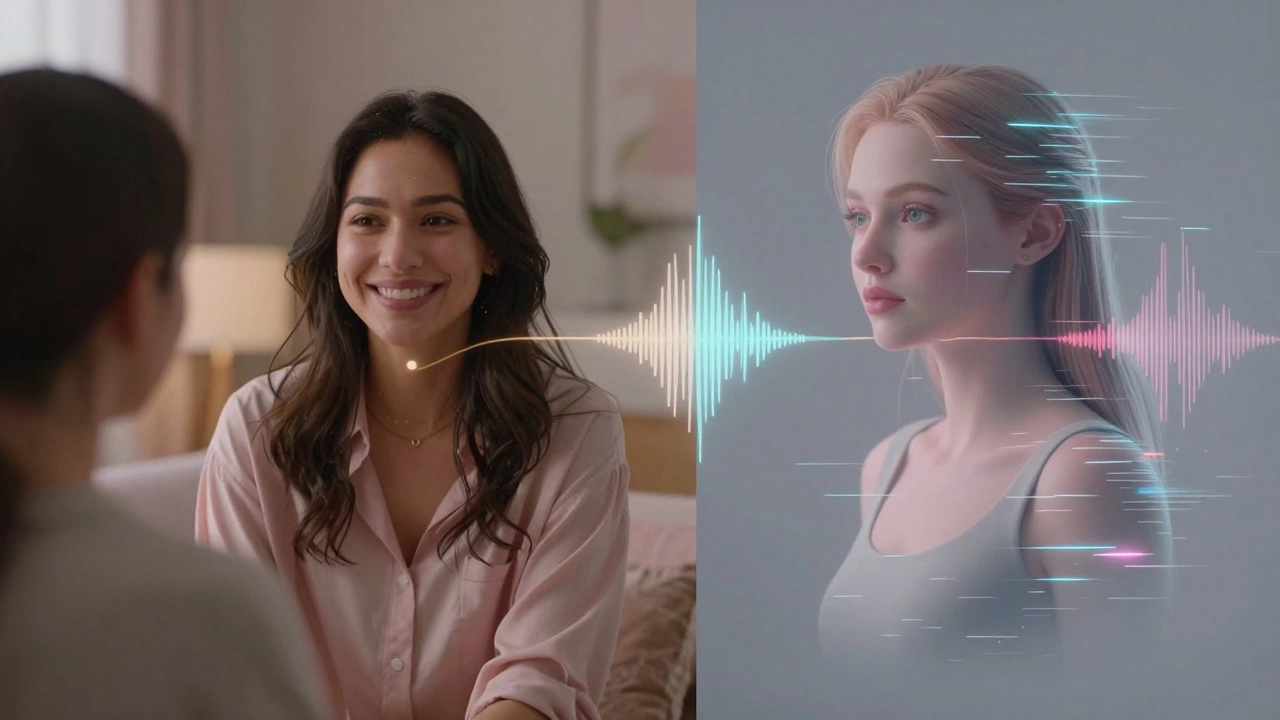
AI companions aren’t new. But in 2025, they’re more realistic than ever. Text-based chatbots can hold multi-hour conversations with emotional nuance. Voice models mimic tone, pauses, and even breathing patterns. Some users pay $50 a month for a custom AI partner that remembers their favorite movie, their pet’s name, or the way they like to be greeted after a long day.
For some, this is a substitute. For others, it’s a supplement. Many sex workers now offer hybrid services: real human encounters paired with AI-enhanced aftercare. Imagine finishing an in-person session and then getting a personalized voice note from an AI version of your partner, summarizing what you talked about, reminding you of your favorite snack, or just saying goodnight. It’s not romance. It’s ritual. And it’s becoming part of the service.
There’s a quiet market for this. In cities like Dubai, where social norms limit public expression of intimacy, virtual companionship fills a gap. Workers report clients who prefer AI-only interactions because they don’t want to be seen. Others use AI to explore fantasies they’re too embarrassed to ask for in person. The result? A quieter, more private, and sometimes safer ecosystem.
Legal Gray Zones and the Dubai Factor
Dubai’s laws are strict. Sex work is illegal. But demand doesn’t disappear-it moves underground. That’s where the real innovation is happening. Workers aren’t posting ads on public sites. They’re using encrypted apps, coded language, and AI to automate outreach. The keyword escort dubai marina might appear in a private Telegram group, hidden behind layers of encryption. It’s not about visibility-it’s about precision.
Agencies still exist, but they’ve changed. The old model-where a manager took 50% and controlled schedules-is fading. Newer operations are leaner. A single worker might run a small network using AI to manage 10-15 clients at once. They use chatbots to answer FAQs, auto-schedule appointments based on time zones, and even send automated health reminders. One worker told me she uses a custom AI script that checks her calendar, cross-references client history, and only allows bookings if the person has been vetted three times before. That’s not efficiency. That’s survival.
The term dubai escort agency now often refers to a tech stack, not a physical office. Some are run by former workers who learned coding to protect themselves. Others are small collectives using decentralized platforms to share resources. The goal isn’t profit-it’s autonomy.
Deepfakes and the Threat of Exploitation
Not all AI developments are positive. Deepfake pornography has exploded. Non-consensual images of real people are being generated and sold on dark web marketplaces. In 2024, a report from the Global Internet Forum to Counter Terrorism found that 90% of deepfake cases involved women in sex work or related fields. The damage is real. Workers report being blackmailed, harassed, or falsely accused of content they never made.
Some are fighting back. A group in Toronto created an AI tool that scans the web for unauthorized use of a worker’s face or voice. If it finds a match, it sends a takedown notice automatically. Others use digital watermarks-subtle, invisible markers embedded in their photos or videos-that prove ownership. These aren’t perfect solutions, but they’re the only tools available.
And then there’s the issue of consent. If a client pays for an AI companion that sounds exactly like a real worker, is that ethical? What if the worker never agreed to be cloned? These questions have no legal answers yet. But they’re being debated in private forums, academic circles, and underground collectives around the world.
Who Benefits? Who Gets Left Behind?
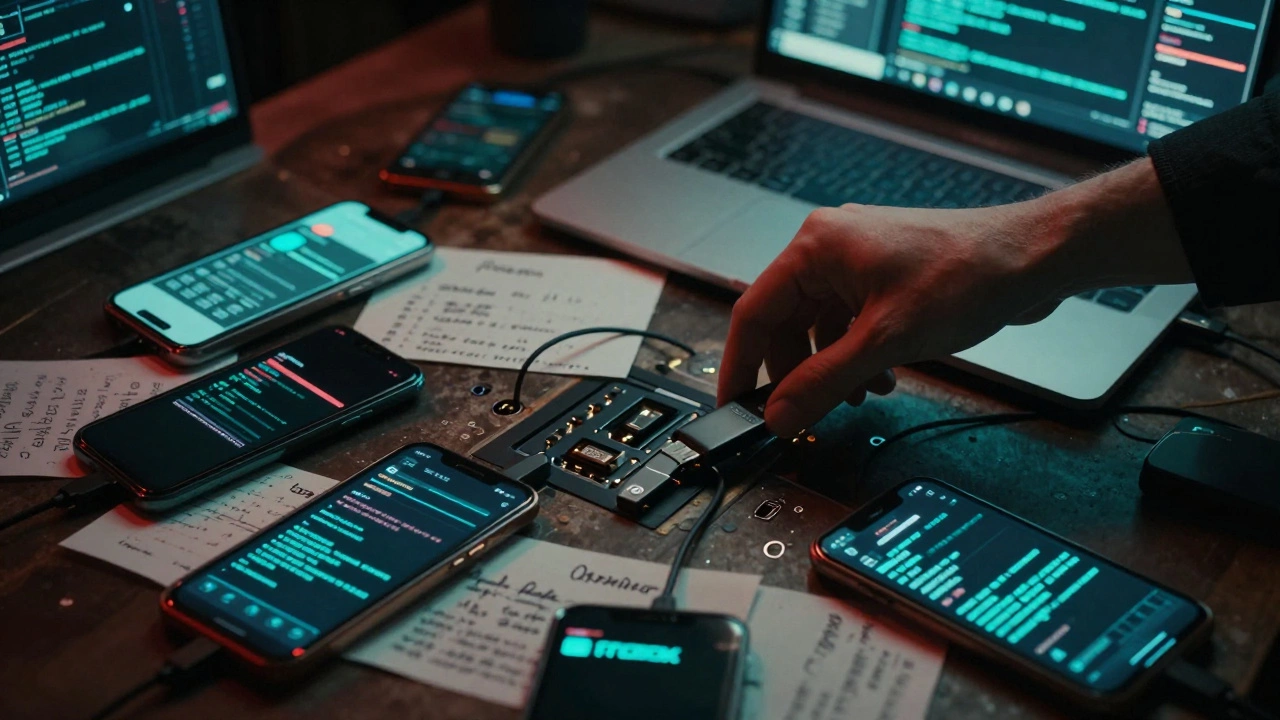
AI is not neutral. It favors those with access to technology, time, and money. A worker with a smartphone, a stable internet connection, and basic tech literacy can use AI to thrive. Someone without those things? They’re left behind.
That’s why some organizations are stepping in. In Thailand, a nonprofit trains sex workers in AI literacy. In Mexico City, a collective shares open-source tools to help workers build their own chatbots. But in places like the Gulf region, where access to tech is tightly controlled, the gap is widening. Workers who rely on traditional networks-like the ones tied to the keyword dubai escort agency-are at risk of being erased by the very tools meant to empower them.
The future won’t belong to the most tech-savvy. It will belong to those who can adapt, protect themselves, and still keep their humanity intact.
The Human Element Still Matters
AI can mimic empathy. But it can’t feel it. No algorithm can hold someone’s hand after a traumatic experience. No chatbot can recognize the subtle shift in tone that says, “I need help, not a service.”
That’s why the most successful workers today aren’t just using AI-they’re blending it with human intuition. They use AI to handle the noise, so they can focus on the real connections. The quiet moments. The trust. The safety.
Technology changes fast. But people don’t. And as long as there’s a need for real human connection, sex work will survive. It just won’t look the same.